Pop Art Halftone
Turn a portrait into pop art comic style
Ask for bold Ben-Day dots, high-contrast flat color zones, thick black outlines, and a saturated Warhol-era palette. Works especially well with front-facing headshots and simple backgrounds.
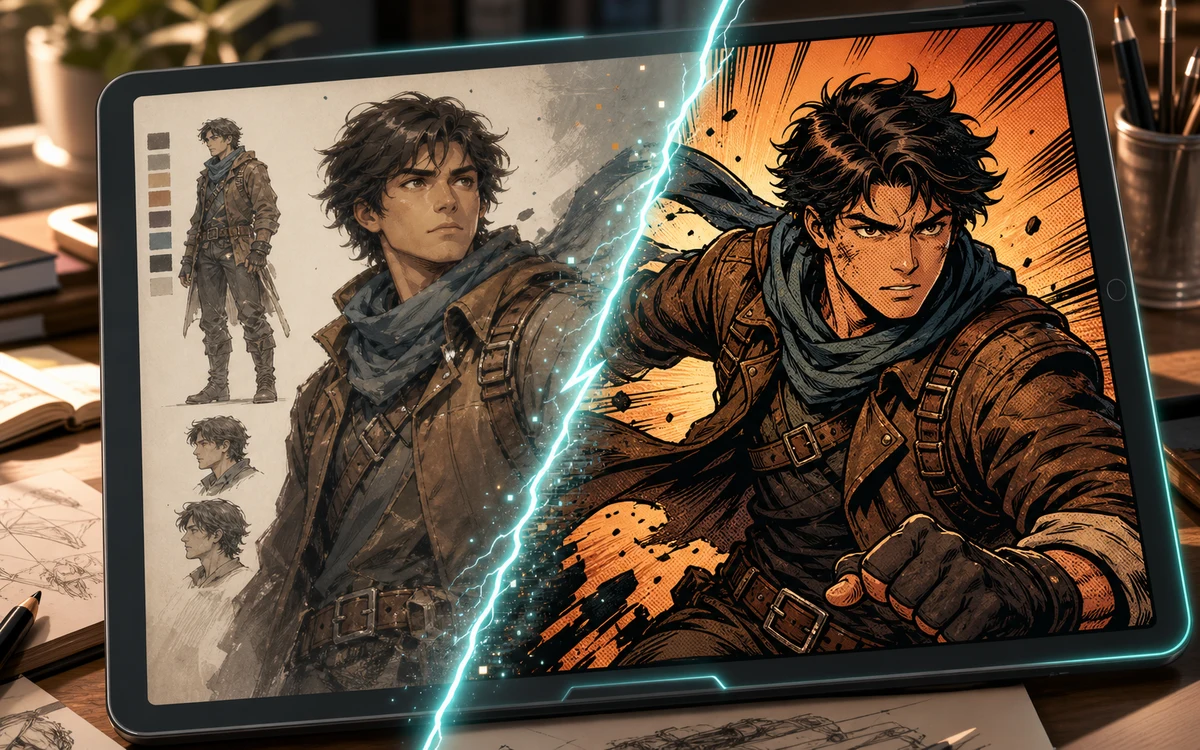
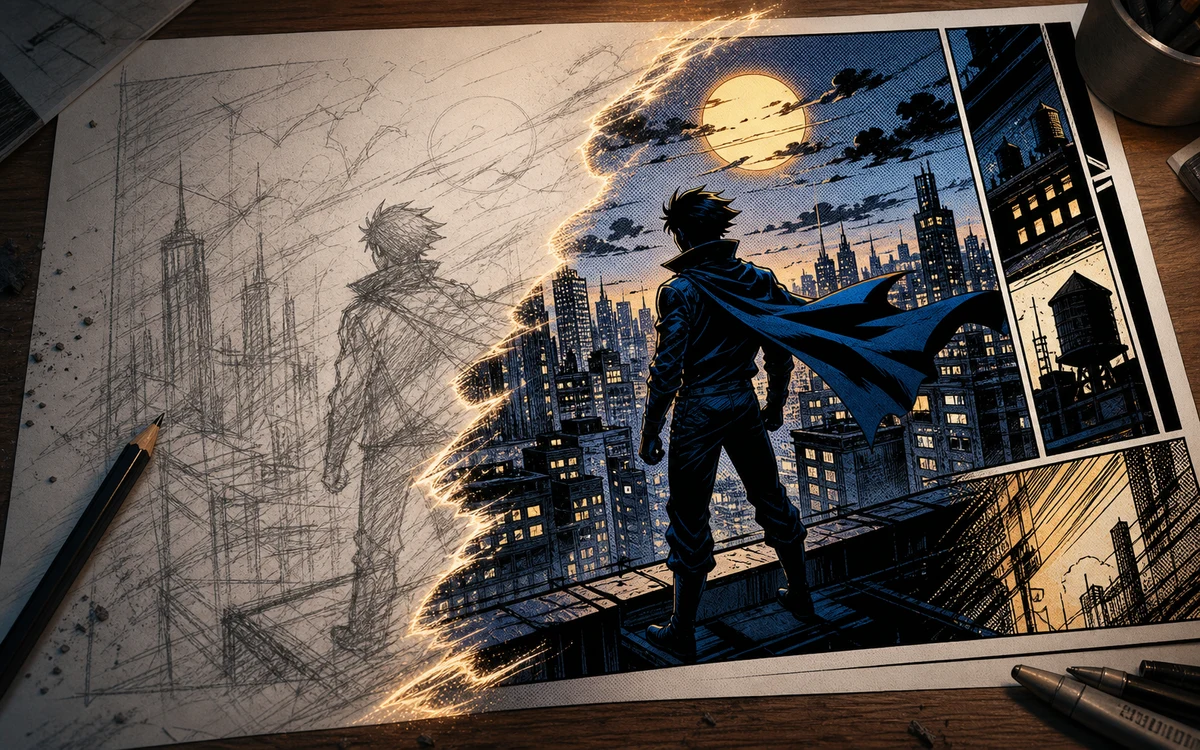
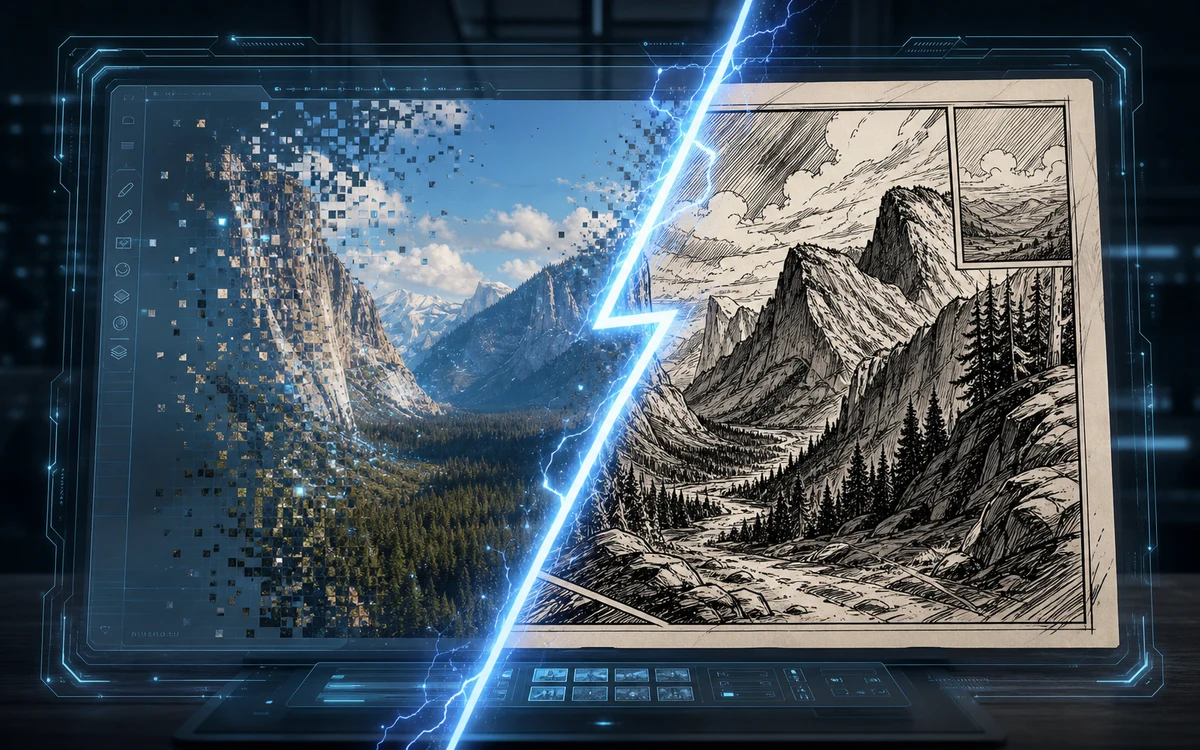
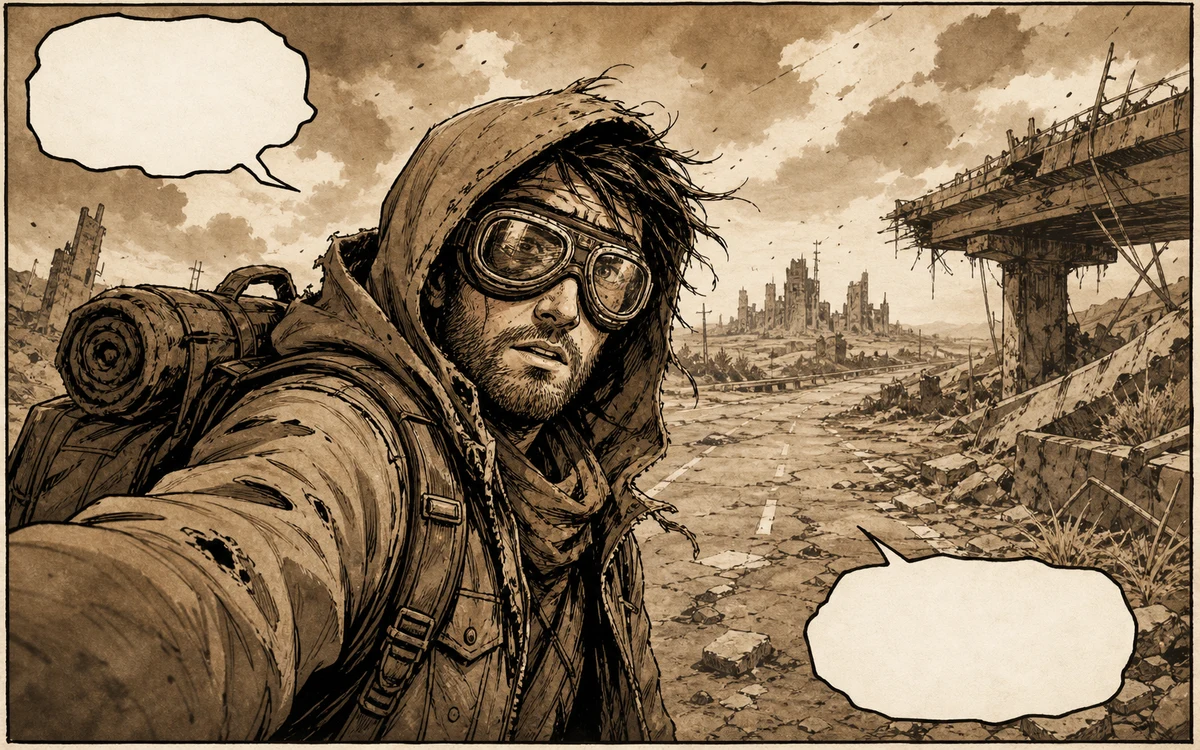
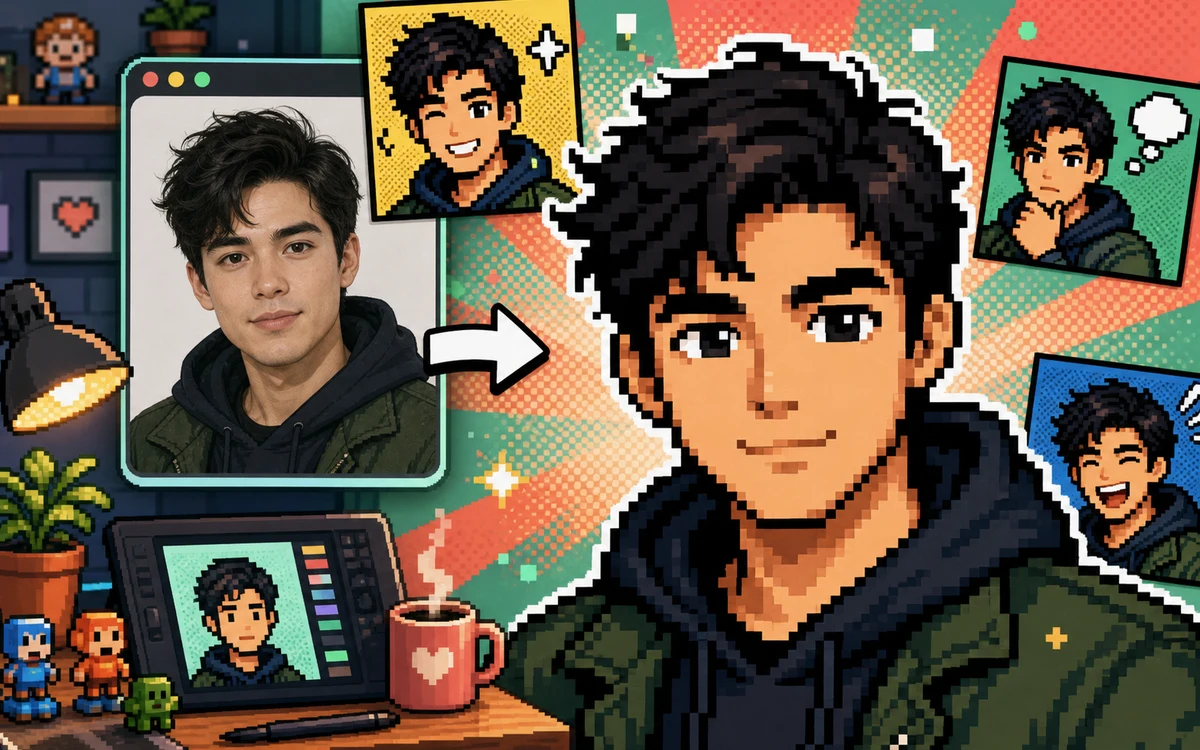
Drop a photo and Seedance redraws it as a comic illustration. Guide the output with a style prompt — the AI handles line art, shading, and panel composition for you.

Beyond the default comic look — switch genres by changing a few words in your prompt.

Pop Art Halftone
Ask for bold Ben-Day dots, high-contrast flat color zones, thick black outlines, and a saturated Warhol-era palette. Works especially well with front-facing headshots and simple backgrounds.

Ligne Claire
Go for uniform thin ink lines, flat even colors, no hatching, and a clean Tintin-style European bande dessinee look. Ideal for group shots and outdoor scenes.

Indie Zine
Prompt for rough scratchy ink, photocopied texture, limited two-color Risograph palette, hand-lettered energy, and a DIY punk-comic aesthetic.
Four steps from upload to finished comic panel. Tweak the prompt to change the art style without restarting.
Pick a selfie, portrait, group shot, or sketch. Clear lighting and an uncluttered background give the AI more to work with.
Tell Seedance which comic tradition to follow: pop art, ligne claire, indie zine, graphic novel, or newspaper funnies. Genre sets the visual rules.
In your prompt, list what must stay: face shape, glasses, hair color, clothing style, group arrangement. The AI preserves those while redrawing the rest.
Too clean? Ask for rougher ink. Too flat? Request gradient depth. Too busy? Tell it to simplify backgrounds and reduce detail density.
Three prompt directions that produce visibly different comic results from the same source photo.

Ask for CMYK halftone registration, bold slapstick expression, simple three-panel gag composition, thick rounded ink lines, and bright primary flat colors on newsprint.

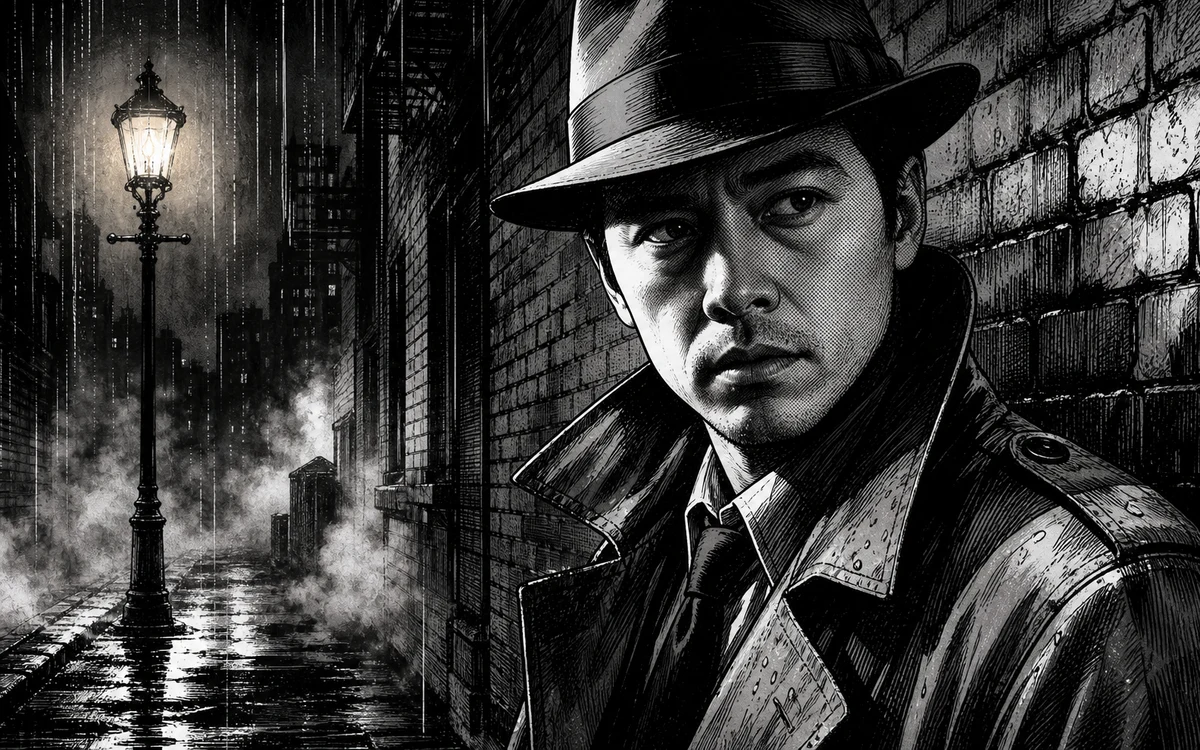
Prompt for visible brushstroke texture, muted cinematic color grading, soft rim lighting, full-bleed panel edges, and a serious illustrated-novel mood.
Go for sharp angular ink, cyan-magenta duotone shading, glowing accent lines, screen-tone ziptone texture, and a late-night cyberpunk mood with vertical Japanese SFX.
How Seedance turns photos into comic art and what you can do with the results. A strong selfie to comic result keeps the face recognizable while changing the line art, shading, background, and mood. Use selfie to comic for profile images, creator avatars, reaction panels, and story characters that start from a real photo. The selfie to comic prompt should mention the uploaded selfie, the desired comic style, the face angle, the emotion, and the background. If the first selfie to comic result feels too generic, ask the selfie to comic generator to preserve hairstyle, glasses, facial expression, and clothing colors more tightly. For brand use, selfie to comic outputs work best when every selfie to comic variation keeps a consistent palette and clean panel composition. Use selfie to comic as the core direction for each generation, and repeat selfie to comic in refinements when likeness matters. A selfie to comic workflow should compare the uploaded face with the finished comic portrait before choosing a final image.

Upload a photo, pick a comic genre, and let Seedance AI redraw it as a hand-drawn illustration.